Feeling anxious now and then is part of life. But for some of us, anxiety doesn’t just go away. It sticks around and can make things feel harder than they should be. Anxiety can show up in different ways. Some of us might worry about everyday things, while others might suddenly feel panicked or scared.
In 2023, 17.2% of people aged 16–85 years have faced anxiety in Australia. But often, they wait too long to get help. When anxiety gets intense, it can stop us from doing the things we want or need to do. And sometimes, the usual ways to help, like talking to someone or making changes in our day-to-day lives, might not be enough.
That’s where inpatient anxiety treatment centers come in. It’s a kind of help for when struggling with anxiety becomes overwhelming, making it hard for someone to manage on their own. Anxiety inpatient treatment means staying at a place like Kembali Rehab Center in Bali, where our expert treatment team can help you around the clock in a safe and calming environment.
Do I Have Anxiety?
Feeling anxious is something everyone experiences, but how do you know if it’s anxiety that needs more attention? If your worries and fears are so strong that they interfere with your daily life, it might be a sign of an anxiety disorder. This could mean feeling scared or panicked in situations where most people wouldn’t or being unable to stop worrying about everyday things.
Anxiety disorders come in different forms, like feeling extremely anxious all the time, being scared of specific places or situations, or having sudden, intense episodes of fear. If these feelings make it hard for you to do what you need or want to do daily, seeking help is important.
Signs and Symptoms of Anxiety Disorders
Anxiety disorders reach deep into the lives of those affected, casting a shadow over everyday joys and routines. If you find yourself often on edge, it’s not just about being overly stressed or worried. Anxiety disorders are profound, persistent conditions that stretch beyond the normal ebbs and flows of daily stress. They can disrupt work, strain relationships, and cloud self-perception. Understanding the signs and symptoms is vital to seeking support and reclaiming your peace of mind.
- Excessive worry: It’s when worry about everyday matters becomes a relentless storm in your mind, far outweighing the actual concerns of daily life. This kind of worry is hard to control and can consume your thoughts.
- Physical symptoms of anxiety: Anxiety doesn’t just live in the mind; it’s felt deeply in the body:
- Heart palpitations: An unsettling feeling of a racing or pounding heart.
- Sweating: Unexplained sweating not tied to physical exertion.
- Trembling or shaking: An uncontrollable response to anxious thoughts.
- Fatigue: A deep tiredness that doesn’t match your physical activity.
- Muscle tension: Ongoing tightness or discomfort in your muscles.
- Trouble sleeping: Nights spent tossing and turning, plagued by worries.
- Gastrointestinal issues: Stomach distress that seems to flare with stress.
- Panic attacks: These are moments of intense fear that surge suddenly, filled with physical discomfort like chest pain or dizziness, often without a clear cause.
- Avoidance behaviour: Steering clear of places or situations for fear they might trigger your anxiety, limiting your experiences and world.
- Intrusive thoughts: Persistent thoughts that cause distress and seem impossible to shake off, often leading to significant anxiety or even actions to try to mitigate these thoughts.
- Irritability: An edginess in your interactions that can strain relationships with those around you.
- Difficulty concentrating: When worry clouds your mind, focusing on tasks becomes a struggle.
If these experiences resonate with you and are becoming obstacles to your happiness and fulfilment, reaching out for help is a courageous and necessary step. Anxiety disorders are not a life sentence; they are conditions with pathways to management and recovery.
Acknowledging your struggles does not show weakness – it’s a profound act of strength. Many effective treatments, from therapy to medication, are tailored to your unique situation. Mental health professionals can provide you with the tools and strategies to navigate your anxiety, helping you move towards a more serene and balanced life.
Remember, it’s okay not to be okay. Seeking support is the first step to feeling more like yourself again. You’re not alone in this journey; with compassionate, professional guidance, you can find your way back to calm and stability.
Anxiety Disorder Treatment Options in Australia
When it comes to treating anxiety disorders, there’s no one-size-fits-all solution. Different people might need different types of help, depending on how anxiety affects them. Let’s look at how anxiety can be treated, especially focusing on what’s offered at Kembali Recovery Centre.
Outpatient vs. Inpatient Treatment Programs
Outpatient treatment means you live at home while getting help. You might visit a therapist or attend group sessions. This can work well for many, but sometimes, if anxiety is very severe, it might not be enough.
Inpatient treatment, like what Kembali offers, provides a more intensive level of care. This might be the right choice if your anxiety feels too big to handle on your own or if you need a break from the stresses that make your anxiety worse.
Holistic and Traditional Therapies to Treat Anxiety
At Kembali, we blend different types of therapy to help with anxiety. This includes:
- Cognitive Behavioral Therapy (CBT): This type of treatment program can help you understand how your thoughts affect your feelings and behaviours. It teaches you to challenge negative thoughts and change your reactions to anxiety.
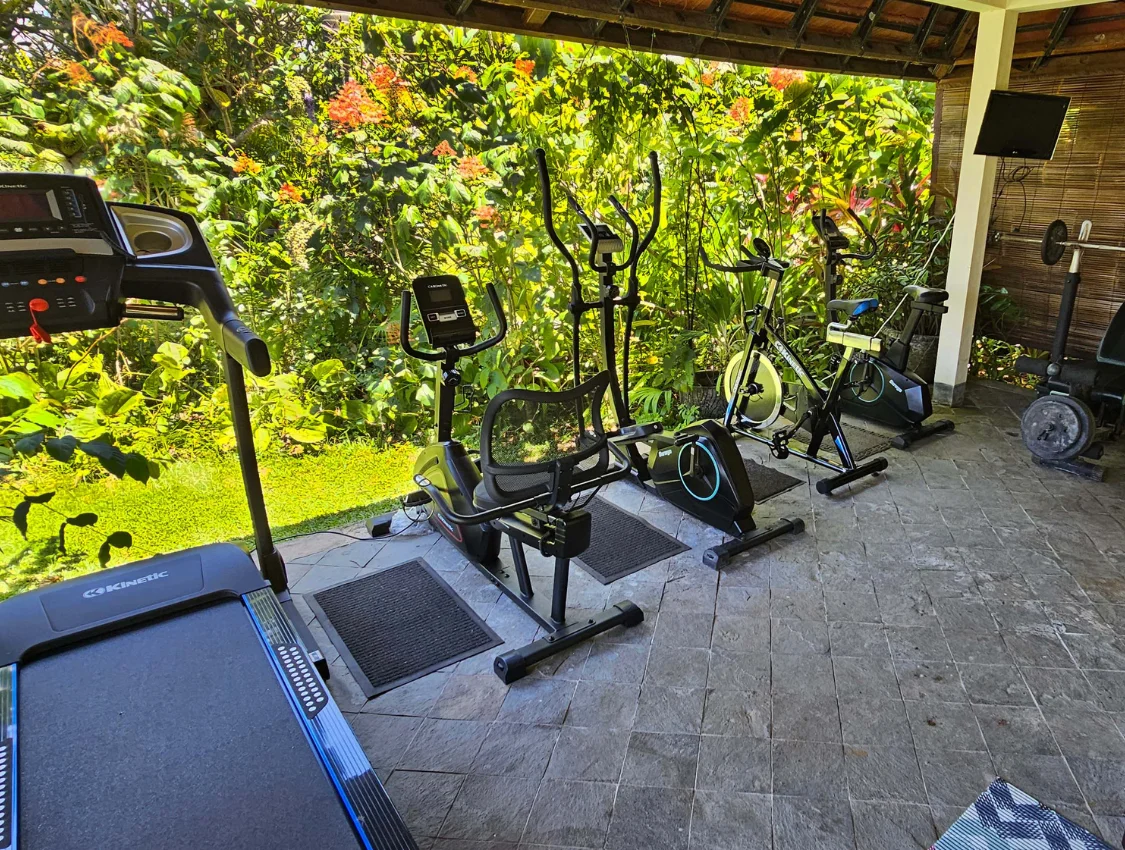
- Holistic therapies: These treatments may include activities like yoga, meditation, and art therapy. They help calm your mind and body, making it easier to manage anxiety.
- Group therapy: Sharing your experiences with others who understand can make you feel less alone. It’s a space to learn from each other and build supportive relationships.
Residential Treatment for Anxiety in Australia
For anyone in Australia feeling weighed down by anxiety, know that residential anxiety treatment could be the start of a new chapter. Inpatient programs for anxiety offer a chance to escape everyday life’s triggers and stresses. It’s a time to focus on healing, with professional support available 24/7. Here’s how it can make a difference:
- Immediate support: Whenever you’re feeling overwhelmed, there’s always someone to talk to.
- Structured routine: Having a regular schedule helps bring a sense of stability and normalcy, which can be very comforting when dealing with anxiety.
- Learning coping skills: Inpatient treatment is a chance to learn and practice new ways to handle anxiety so you’re better prepared when you return home.
The Cost of Anxiety Treatment in Australia
When considering the cost of anxiety treatment in Australia, several key factors come into play, each contributing to the overall financial investment required for effective treatment. Here’s a breakdown of these factors:
Type of Treatment
- Outpatient therapy: Sessions with psychologists, psychiatrists, or other mental health professionals typically form the backbone of anxiety treatment. Costs can vary depending on the practitioner’s qualifications and location. Medicare or private health insurance may cover part of these costs, subject to the terms of your policy.
- Inpatient treatment: For those requiring more intensive care, inpatient programs offer structured support and therapy. Costs here are significantly higher, reflecting the comprehensive nature of care, including accommodation, round-the-clock support, and various therapies.
Health Insurance Coverage
- Medicare: In Australia, Medicare provides some coverage for mental health services under the Better Access Initiative, including sessions with psychologists, social workers, or occupational therapists.
- Private health insurance: Many private health plans offer additional coverage for mental health services, both inpatient and outpatient. The extent of coverage varies by policy, affecting out-of-pocket costs.
Duration and Frequency of Treatment for Anxiety
The length of treatment and the number of sessions required can greatly influence the overall cost. More extended treatment periods or higher session frequencies result in higher expenses.
Specialized Programs
Some patients may benefit from specialized anxiety treatment programs, which can be more costly than standard therapy. These programs often offer a multidisciplinary approach tailored to specific needs, such as trauma-informed care or treatment for particular types of anxiety disorders.
Additional Psychotherapies
Complementary therapies, such as mindfulness, yoga, or art therapy, may incur additional costs but can be valuable components of a holistic treatment for your anxiety.
How to Use Insurance for Mental Health Treatment
Understanding your insurance coverage is crucial in managing the costs of anxiety treatment in Australia. Here’s how to navigate this:
- Check your policy: Review the mental health coverage details of your Medicare or private health insurance policy.
- Pre-approval: For inpatient treatment, obtaining pre-approval from your insurance provider can clarify what expenses will be covered.
- Out-of-pocket expenses: Determine any copayments, deductibles, or limits on the number of covered sessions to estimate your out-of-pocket costs.
While the cost of anxiety treatment in Australia can vary widely, numerous pathways exist to access care, from government-supported services through Medicare to private health insurance and low-cost community options. Understanding these avenues can help mitigate financial barriers, making essential treatment more accessible.
How Our Treatment Centre Approaches Anxiety
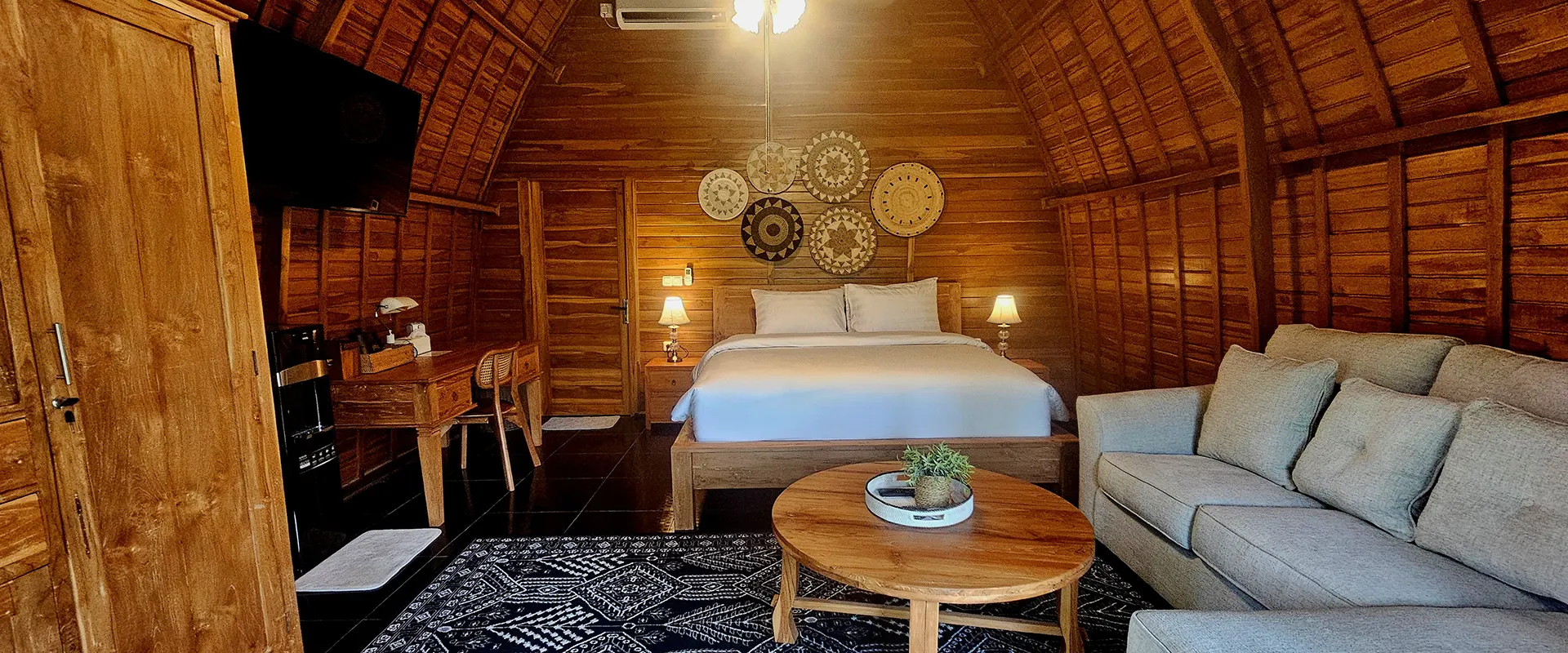
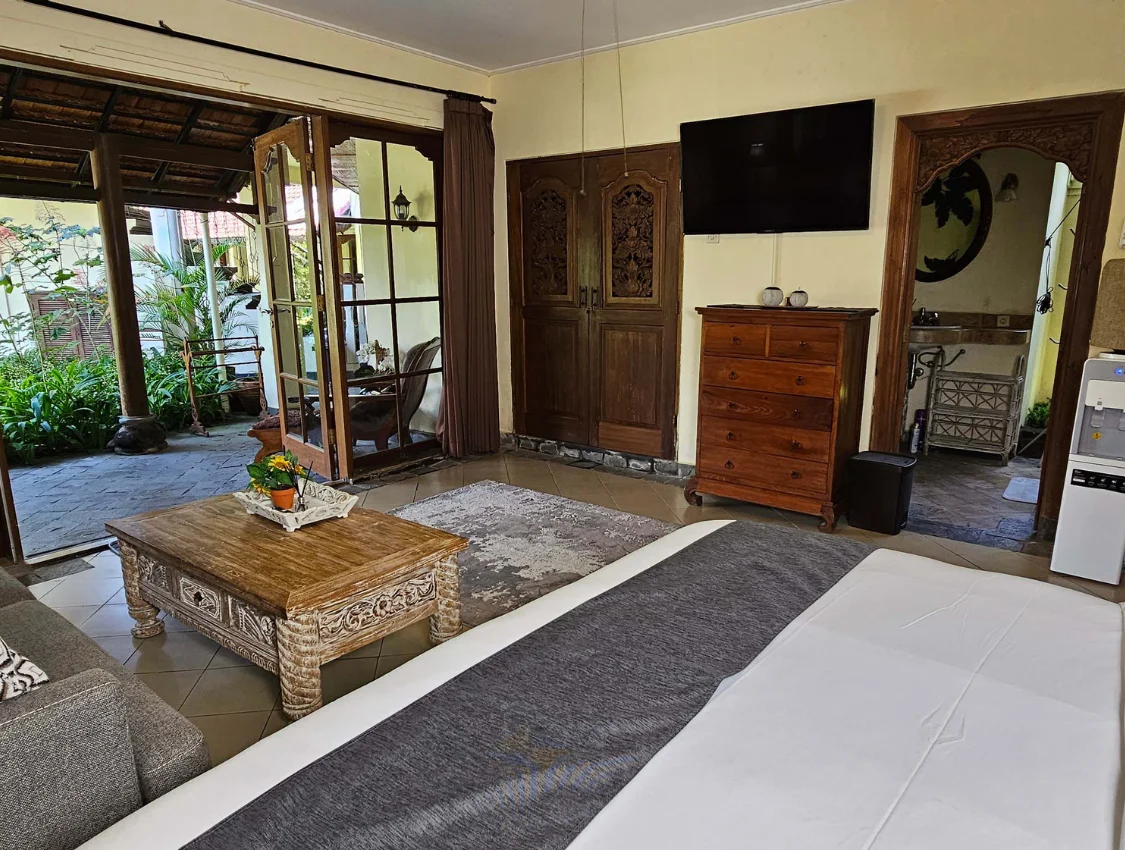
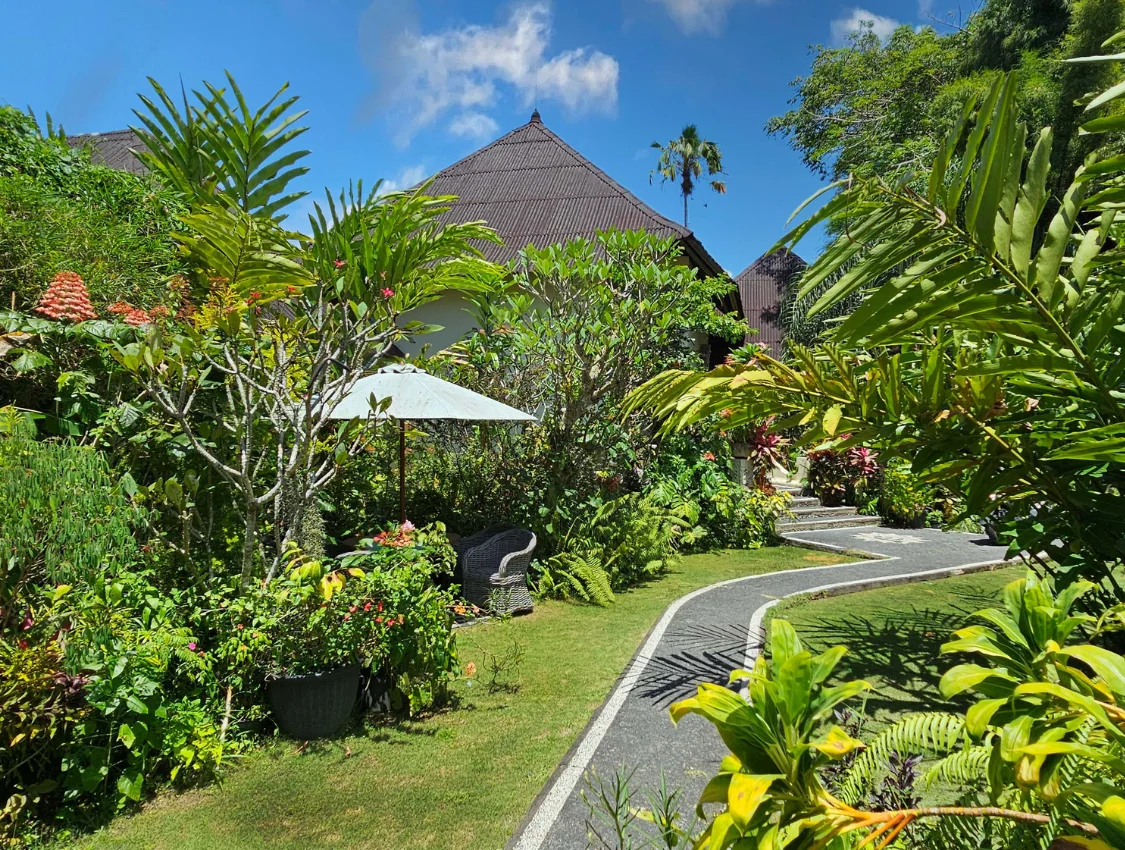
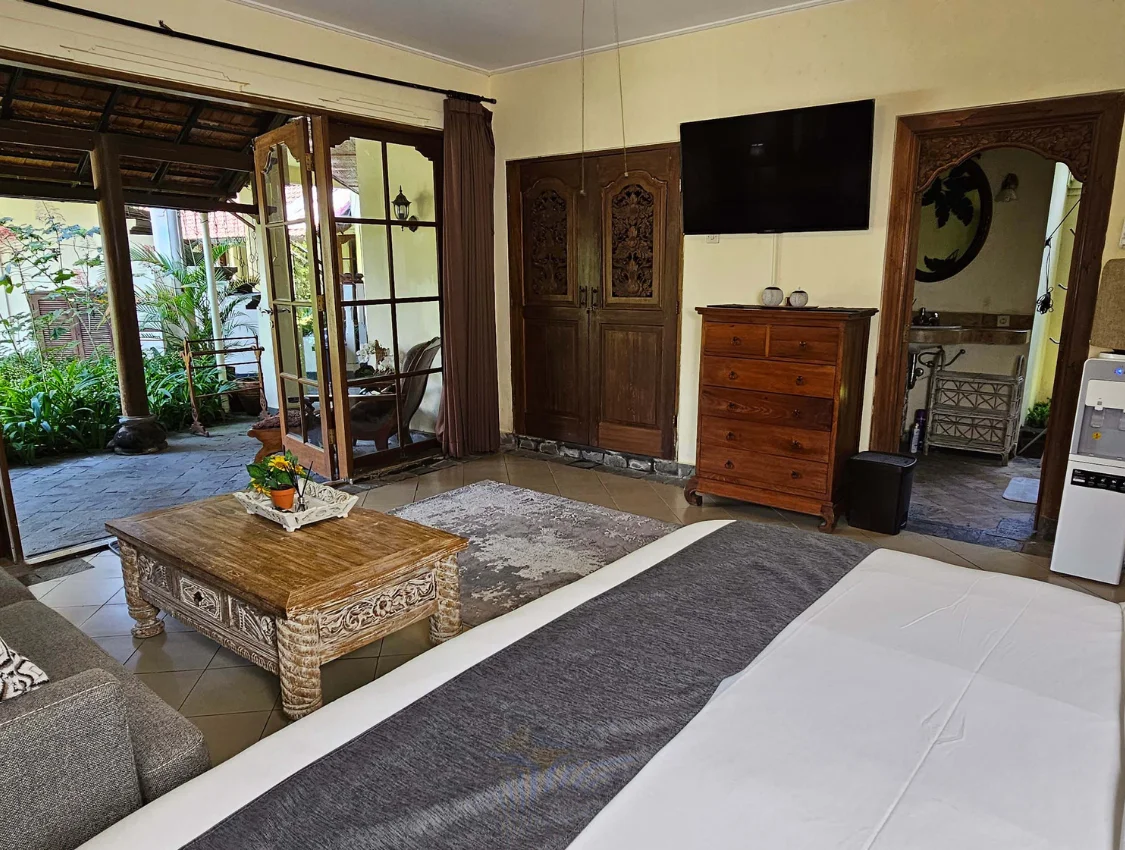
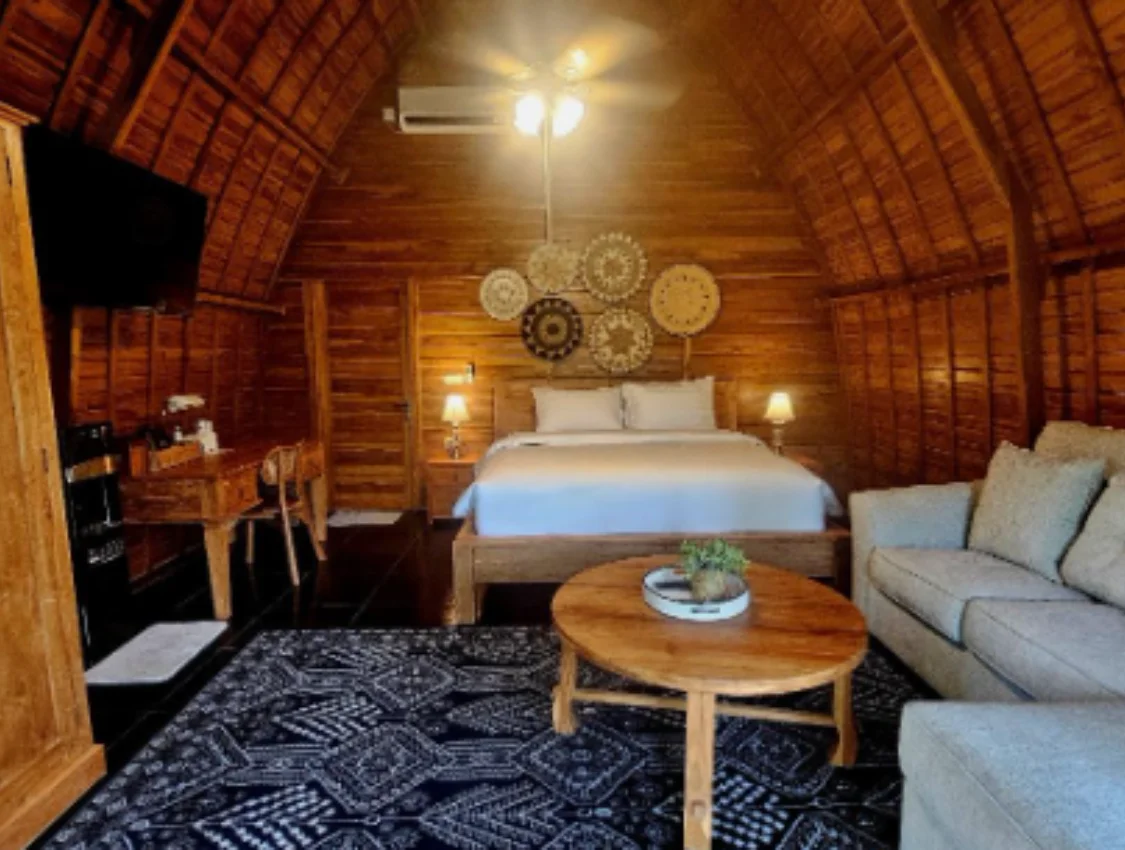
Recovering from anxiety isn’t just about therapy sessions. It’s also about being in a place where you feel safe and supported. Kembali’s serene setting, surrounded by nature, helps create a calming atmosphere that’s ideal for healing. Plus, our small group size ensures you get personalized attention and care.
Our inpatient anxiety treatment program is designed to help you find balance again. By focusing on the bio-psycho-social-spiritual aspects of life, we aim to help you understand the root causes of your anxiety and how to address them. Our goal is for you to leave Kembali with a deeper understanding of yourself and a toolkit of strategies to manage anxiety and depression in your daily life.
Recovery is a journey, and it’s okay to ask for help along the way. If you’re considering inpatient treatment for anxiety, Kembali Recovery Center could be the peaceful sanctuary you need to start healing.
Choose Kembali Rehab Centre As Your Bridge to Recovery
Kembali Rehab Centre is a peaceful place in Bali that helps people who are finding it hard to cope with anxiety. We believe that to tackle anxiety, we need to look at everything – how we think, how we feel, our relationships, and our spiritual side.
With just eight people at a time, Kembali ensures everyone gets attention and care. We blend different ways to help, like talking therapies, creative activities, and evidence-based relaxation techniques, all in a beautiful and peaceful setting. Our team knows how tough dealing with anxiety can be because many of us have been there, too. We’re all about building connections and helping each other through.
Choosing to get inpatient treatment is a big decision. But if anxiety is making life too hard, it might be the right step towards feeling better. And at Kembali, you won’t be alone. We’re here to help you find your way back to feeling more like yourself.
Whether it’s post-traumatic stress disorder, separation anxiety, or relapse you’re struggling with – contact us today to get the help you need.
Frequently Asked Questions
What Are the Main Types of Anxiety Disorders?
Anxiety disorders encompass various conditions, each with unique features. The main types include Generalised Anxiety Disorder (GAD), characterized by excessive worry about everyday matters; Panic Disorder, marked by sudden episodes of intense fear; Social Anxiety Disorder, where social interactions cause irrational anxiety; and Specific Phobias, intense fears of specific situations or objects.
How Does Anxiety Medication Work?
Anxiety medications can work in various ways, depending on the type. Some, like selective serotonin reuptake inhibitors (SSRIs), increase serotonin levels in the brain, enhancing mood and reducing anxiety. Others, like benzodiazepines, increase the efficiency of neurotransmitters that calm the brain, offering quick relief from acute anxiety symptoms.
Can Anxiety Disorders Be Cured?
While “cure” might not be the term used in mental health, anxiety disorders can be effectively managed and treated. Many individuals experience significant relief from their symptoms through a combination of therapy, medication, lifestyle changes, and coping strategies, leading to a fulfilling life.
Can Anxiety Disorders Lead to Other Mental Health Issues?
Yes, individuals with anxiety disorders may be at higher risk for other mental health conditions, such as depression or substance abuse disorders. The stress and isolation that often accompany anxiety can contribute to these additional challenges, highlighting the importance of comprehensive treatment plans that address all aspects of an individual’s mental health.
How Do I Know if I Have an Anxiety Disorder or Just Normal Stress?
Normal stress is a response to specific external pressures and usually resolves once the situation changes. In contrast, anxiety disorders persist regardless of external factors and can significantly impact daily functioning. If your worry is constant, overwhelming, and affects your life’s quality, it may be time to seek professional advice.
How Can I Support Someone with an Anxiety Disorder?
Supporting someone with an anxiety disorder involves offering empathy, understanding, and patience. Listen without judgment, encourage them to seek professional help, and educate yourself about their condition. Providing a supportive presence can make a significant difference in their recovery journey.
What Treatments Are Available for Anxiety Disorders?
Treatments for anxiety disorders include psychotherapy, such as Cognitive Behavioral Therapy (CBT), which helps individuals identify and manage the thoughts and behaviours contributing to their anxiety. Medications, like antidepressants and anti-anxiety drugs, can also be effective. Additionally, lifestyle changes, mindfulness practices, and support groups play a crucial role in managing anxiety.
What Lifestyle Changes Can Help with Anxiety Management?
Lifestyle changes that can aid in managing anxiety include: Establishing a regular exercise routine. Maintaining a healthy diet. Practicing sleep hygiene. Limiting caffeine and alcohol intake. Incorporating relaxation techniques like deep breathing or meditation into your daily routine.
Are There Natural Remedies for Anxiety?
Several natural remedies can support anxiety management, including regular physical activity, a balanced diet, adequate sleep, mindfulness meditation, and yoga. However, these should complement, not replace, professional treatment plans for individuals with diagnosed anxiety disorders.
How Long Does Treatment for an Anxiety Disorder Take to Show Results?
The time it takes for treatment to show results can vary widely among individuals. Some may notice improvements in a few weeks, especially with medication, while others, particularly those in therapy, might see gradual progress over several months. Having realistic expectations and communicating openly with healthcare providers about the treatment’s effectiveness is important.