
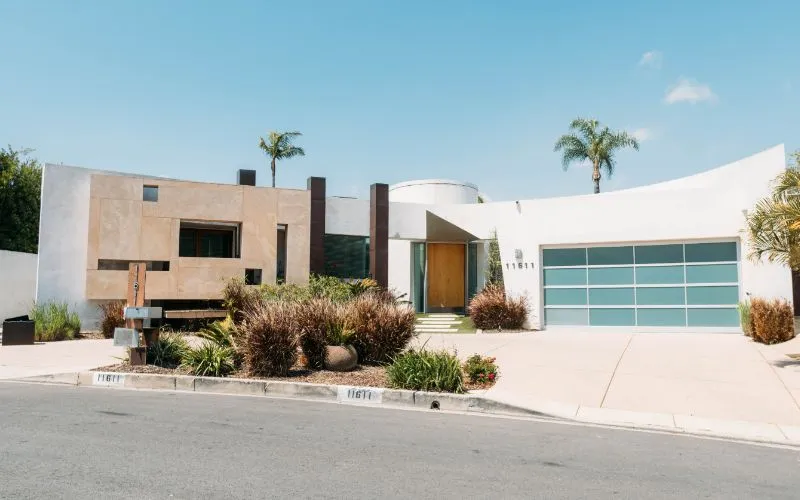

As a major metropolitan hub, Los Angeles offers an extensive range of rehab options catering to diverse needs. From high-end luxury facilities to state-funded programs, the city provides comprehensive services including detoxification, dual diagnosis treatment, and holistic therapies like acupuncture and yoga.
Ads
More Info
Advertisement Disclosure
Our website is funded by advertisers who pay for prominently labeled placements.
Read More





25 Rehab Centers were found
Filters
Locations
- Los Angeles(+25)
- Woodland Hills(+9)
- Culver City(+8)
- Beverly Hills(+6)
- Reseda(+3)
- Pasadena(+3)
- Riverside(+3)
- Northridge(+3)
- Redondo Beach(+3)
- Tarzana(+3)
- Santa Monica(+3)
- Studio City(+3)
- West Hollywood(+3)
- Lancaster(+2)
- Encino(+2)
- Orange County(+2)
- Granada Hills(+2)
- Malibu(+2)
- Westlake Village(+2)
- North Hollywood(+2)
- Sun Valley(+1)
- San Fernando(+1)
- Simi Valley(+1)
- Burbank(+1)
- Van Nuys(+1)
- Azusa(+1)
- Wilmington(+1)
- Panorama City(+1)
- Thousand Oaks(+1)
- San Jacinto(+1)
- Monterey Park(+1)
- Shadow Hills(+1)
- Venice(+1)
- West Hills(+1)
- Sherman Oaks(+1)
- Lynwood(+1)
- Long Beach(+1)
- Chatsworth(+1)
- Inglewood(+1)
- Laguna Hills(+1)
- Torrance(+1)
- Vernon(+1)
- Acton(+1)
- Altadena(+0)
- Whittier(+0)
- San Mateo(+0)
- San Pedro(+0)
- Mission Viejo(+0)
- Valley Village(+0)
- Orange(+0)
- Upland(+0)
- Toluca Lake(+0)
- Sunland(+0)
- Santa Fe Springs(+0)
- Carson(+0)
- Anaheim(+0)
- Beaumont(+0)
- Brentwood(+0)
- Compton(+0)
- Hawaiian Gardens(+0)
- Glendora(+0)
- Glendale(+0)
- Gardena(+0)
- El Segundo(+0)
- El Monte(+0)
- Duarte(+0)
- Downey(+0)
- Cudahy(+0)
- Covina(+0)
- Hawthorne(+0)
- Claremont(+0)
- Cerritos(+0)
- Calabasas(+0)
- Bellflower(+0)
- Bell Gardens(+0)
- Avalon(+0)
- Arcadia(+0)
- Alhambra(+0)
- Agoura Hills(+0)
- Pico Rivera(+0)
- Walnut(+0)
- South Pasadena(+0)
- South El Monte(+0)
- Los Angeles County(+0)
- Santa Clarita(+0)
- San Gabriel(+0)
- San Dimas(+0)
- Rosemead(+0)
- Rolling Hills(+0)
- Pomona(+0)
- West Covina(+0)
- Paramount(+0)
- Palmdale(+0)
- Norwalk(+0)
- Montebello(+0)
- Maywood(+0)
- Manhattan Beach(+0)
- Lakewood(+0)
- La Puente(+0)
- Hermosa Beach(+0)
Conditions
- Alcohol(+108)
- Drug(+106)
- Cocaine(+98)
- Heroin(+95)
- Opioid(+95)
- Methamphetamine(+94)
- Benzodiazepines(+91)
- Prescription Drugs(+81)
- Depression(+77)
- Xanax(+76)
- Anxiety(+75)
- Trauma(+72)
- Mental Health(+71)
- Synthetic Drugs(+70)
- PTSD(+66)
- Adderall(+63)
- Marijuana(+62)
- Bipolar(+60)
- Ecstasy(+59)
- Psychedelics(+57)
- MDMA(+56)
- LSD(+52)
- Stress(+48)
- OCD(+35)
- Fentanyl(+34)
- ADHD(+32)
- Personality Disorders(+27)
- Behavioral Health(+25)
- Gaming(+16)
- Burnout(+15)
- Eating Disorders(+15)
- Anorexia(+15)
- Binge Eating Disorder(+15)
- Sex Addiction(+15)
- Schizophrenia(+14)
- Bulimia(+14)
- Gambling(+14)
- Internet Addiction(+14)
- Pornography(+13)
- Shopping(+7)
- Narcissism(+3)
- Drug Addiction(+3)
- Chronic Relapse(+0)
- Self-Harm(+0)
Insurances
- Aetna(+76)
- BlueCross BlueShield(+76)
- Cigna(+67)
- Anthem(+63)
- United Healthcare(+47)
- Humana(+42)
- Optum(+32)
- MHN(+30)
- Magellan Health(+26)
- GEHA(+25)
- Kaiser Permanente(+22)
- Highmark(+20)
- ComPsych(+18)
- AmeriHealth(+9)
- Medicaid(+8)
- Tufts Health(+8)
- CareFirst(+6)
- Molina Healthcare(+5)
- Intermountain Healthcare(+4)
- Oscar(+4)
- Beacon Health Options(+2)
- UMR(+2)
- NYSHIP(+2)
- ILWU(+2)
- Geisinger(+2)
- Empire Life(+2)
- Empire BCBS(+2)
- Medicare(+2)
- Bright Health(+1)
- GuideWell(+0)
Therapies

$30,000-$50,000

$30,000
$20,000 - 30 days

$30,000+/month - 30 - 90 days

$36,000 - $46,000 - 30+ days

$7,000
Discover More Treatments in Los Angeles
Conditions
Levels of Care
Therapies
Clientele
Rehab in Los Angeles: A City of Second Chances
Los Angeles, the cultural and entertainment capital of the world, is known for its iconic skyline, sandy beaches, and endless opportunities. But beyond the glitz and glamour, many Angelenos struggle with substance use disorders, facing challenges with alcohol addiction, opioid dependency, stimulant abuse, and prescription drug misuse.
Fortunately, Los Angeles is home to some of the nation’s top rehab centers, offering a diverse range of evidence-based treatments, holistic therapies, and luxury recovery options. Whether you`re looking for medical detox, inpatient rehab, outpatient treatment, or long-term aftercare, there are tailored programs designed to help individuals rebuild their lives and achieve lasting sobriety.
Understanding Addiction in Los Angeles
As one of the largest cities in the United States, Los Angeles has a fast-paced lifestyle that can make substance use tempting. The city’s high-stress industries, vibrant nightlife, and social drinking culture contribute to high rates of alcohol and drug addiction.
The opioid crisis has also impacted LA, with prescription painkillers, heroin, and fentanyl-laced substances leading to a rise in overdoses. Additionally, methamphetamine and cocaine continue to be commonly misused. Whether addiction starts from recreational use, stress relief, or self-medication, professional treatment can help break the cycle and offer a path to recovery.
Addiction Treatment Options in Los Angeles
Medical Detox: The First Step Toward Sobriety
For those with physical dependency on substances, detox is a crucial first step. Los Angeles detox centers provide:
- 24/7 medical monitoring to ensure safety and comfort.
- Medication-assisted treatment (MAT) to help reduce withdrawal symptoms.
- Counseling and emotional support to prepare for the next phase of recovery.
Detox alone is not enough for long-term sobriety—comprehensive rehab treatment is necessary to address the psychological and behavioral aspects of addiction.
Inpatient Rehab: A Focused Recovery Experience
For those needing a structured, immersive recovery environment, residential rehab in Los Angeles offers 24/7 care in a supportive setting.
Inpatient programs, which typically last 30 to 90 days, include:
- One-on-one therapy to uncover the underlying causes of addiction.
- Group therapy to foster connection and peer support.
- Behavioral therapies such as Cognitive Behavioral Therapy (CBT) and Dialectical Behavior Therapy (DBT) to develop healthier coping skills.
- Holistic treatments, including yoga, meditation, nutrition counseling, and fitness programs, to support overall well-being.
Los Angeles is home to some of the most luxurious rehab centers in the world, offering private accommodations, beachfront locations, and alternative therapies such as equine therapy and acupuncture.
Outpatient Rehab: Flexible Treatment for Busy Lives
For those who cannot take time away from work, school, or family, outpatient rehab in Los Angeles provides structured care with flexibility.
- Intensive Outpatient Programs (IOP) involve multiple therapy sessions per week to support long-term recovery.
- Partial Hospitalization Programs (PHP) offer full-day treatment with the ability to return home in the evenings.
Outpatient rehab is ideal for individuals who have mild to moderate addiction or are transitioning from inpatient care.
Dual Diagnosis Treatment for Co-Occurring Disorders
Many people battling addiction also experience mental health conditions, such as anxiety, depression, PTSD, or bipolar disorder. Without treating these underlying issues, relapse becomes more likely.
Dual diagnosis rehab centers in Los Angeles offer integrated treatment that combines:
- Trauma therapy to address past experiences contributing to substance use.
- Medication management for those requiring psychiatric support.
- Mindfulness techniques, such as breathwork and stress-reduction strategies, to promote emotional stability.
By treating addiction and mental health together, individuals develop a strong foundation for lasting recovery.
Sober Living & Aftercare: Maintaining Long-Term Sobriety
Recovery doesn’t end after rehab—ongoing support is essential for maintaining a substance-free lifestyle. Many individuals transition into sober living homes, which provide structured, drug-free environments for continued recovery.
Other aftercare options in Los Angeles include:
- 12-step meetings and alternative recovery groups, such as Alcoholics Anonymous (AA), Narcotics Anonymous (NA), and SMART Recovery.
- Relapse prevention programs, offering continued therapy and coping strategies.
- Career and life coaching, helping individuals rebuild their lives through job placement, education, and personal growth.
A personalized aftercare plan greatly increases the chances of long-term success.
Why Los Angeles Is an Ideal Place for Recovery
Los Angeles provides an ideal setting for addiction treatment, offering a mix of urban convenience, scenic landscapes, and world-class rehab facilities. The city’s coastal environment and year-round warm weather make it a great place to heal both physically and emotionally.
Other benefits of seeking rehab in Los Angeles include:
- A vast range of treatment options, from affordable outpatient care to high-end luxury rehab centers.
- A strong recovery community, providing ongoing support through local meetings and alumni networks.
- Access to leading addiction specialists and mental health professionals, ensuring high-quality, individualized care.
Finding the Right Rehab in Los Angeles
Choosing the right rehab program is a critical step in the recovery process. When researching treatment centers in Los Angeles, consider:
- The level of care you need (detox, inpatient, outpatient, or aftercare).
- Whether the program offers dual diagnosis treatment for mental health concerns.
- The types of therapies available, including traditional and holistic approaches.
- Insurance and financial options to ensure accessibility.
A personalized treatment plan greatly improves the chances of lasting recovery.
Helping a Loved One Struggling with Addiction
If someone you love is battling addiction, your support can be a powerful influence. Instead of criticism or frustration, approach them with compassion and encouragement.
A simple statement like ´I care about you, and I want to help—can we explore treatment options together?´ can open the door to a meaningful conversation about getting help.
Many rehab centers in Los Angeles offer family therapy and intervention services, guiding loved ones through the recovery journey with professional support.
Take the First Step Toward Recovery in Los Angeles
If you or a loved one is struggling with addiction, help is available. Whether you need detox, inpatient rehab, outpatient treatment, or long-term support, rehab centers in Los Angeles provide expert care, compassionate treatment, and a supportive environment for healing.
Recovery is a journey, and it starts with a single step. Reach out today and begin your path to a healthier, substance-free life in Los Angeles.
Frequently Asked Questions
Why choose LA for addiction treatment?
What unique therapies are available?
How does the county make treatment accessible?
Ads
More Info
Advertisement Disclosure
Our website is funded by advertisers who pay for prominently labeled placements.
Read More











Activities in Los Angeles

Downtown Los Angeles Art Walk

Griffith Park and Griffith Observatory

Los Angeles County Museum of Art (LACMA)